Creating a peaceful and inviting atmosphere in your home starts with the colors you choose for your walls and decor. Calm colors can help reduce stress, improve mood, and make your space feel more comfortable. Whether you’re redecorating a single room or refreshing your entire home, selecting the right calm colors is key to achieving the peaceful vibe you desire.
In this post, we’ll explore practical tips to help you choose calm colors that suit your home’s style and feel. From understanding color psychology to balancing tones, these guidelines will simplify the process and inspire you to create your ideal space.
Why Choose Calm Colors?
Calm colors are typically soft, muted shades that evoke feelings of tranquility and relaxation. Unlike bold or bright colors, they don’t overwhelm the senses. Instead, they encourage restfulness and harmony, making your home a perfect retreat from the hustle and bustle of daily life.
Some benefits of using calm colors include:
– Promoting relaxation and reducing stress
– Creating a timeless, versatile look
– Making rooms feel more open and airy
– Complementing a variety of furniture and styles
Popular Calm Colors to Consider
Before diving into tips, here are some commonly chosen calm colors to inspire you:
– Soft Blues: Light blues are known for their soothing effect, often associated with clear skies and calm waters.
– Muted Greens: Shades like sage or olive suggest nature and renewal, creating a peaceful environment.
– Warm Neutrals: Soft beiges, taupes, and greys offer warmth without overpowering a space.
– Pale Lavenders: Light purples add a gentle, elegant touch without being too vibrant.
– Off-Whites and Creams: These shades provide a clean, soft backdrop that works well with any decor.
Tips for Choosing Calm Colors for Your Home
1. Consider the Room’s Purpose
Start by thinking about how you use each room. Calm colors should match the room’s function for the best effect.
– Bedrooms: Opt for soothing blues, soft greens, or pale lavenders to promote rest and relaxation.
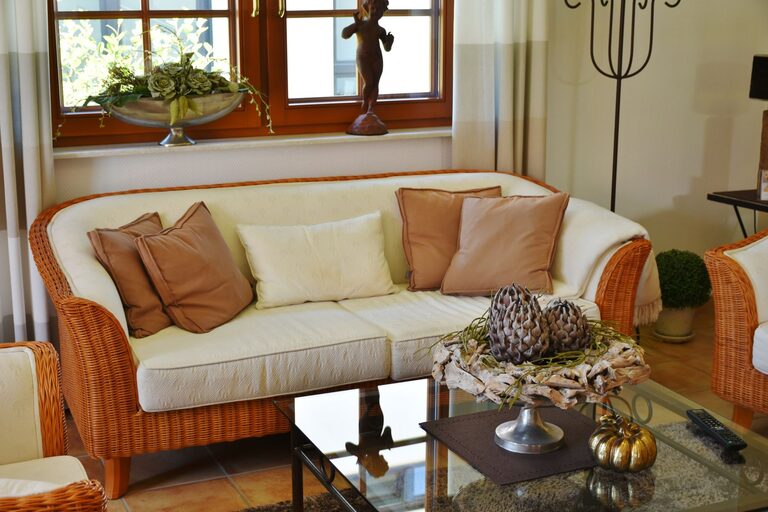
– Living Rooms: Warm neutrals or muted greens work well to create a cozy yet calming space.
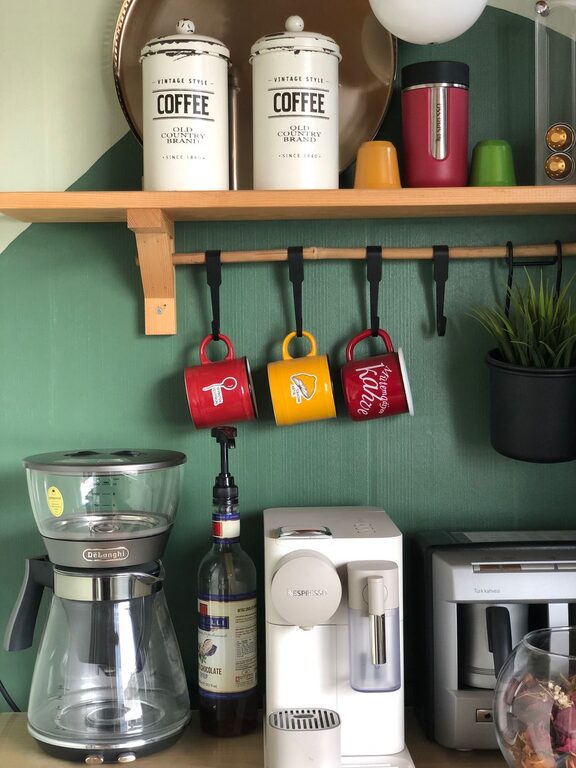
– Kitchens and Dining Areas: Light blues or off-whites can make these areas feel fresh and inviting.
– Bathrooms: Soft aquas or gentle greys can enhance the spa-like atmosphere.
2. Test Colors in Different Lighting
Lighting has a huge impact on how colors appear. A shade that looks calm and soft in a store might feel cold or dull in your home.
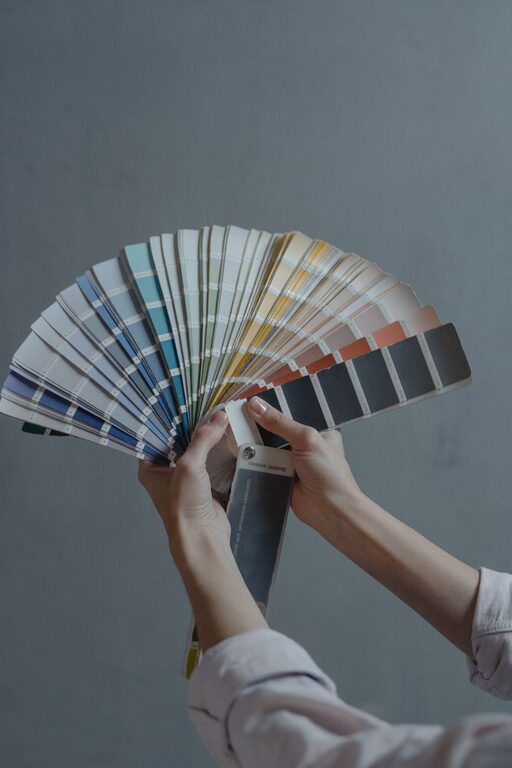
– Test paint samples on your walls.
– Observe them at different times of the day — morning, midday, and evening.
– Consider both natural and artificial light sources.
3. Use a Neutral Base
Starting with a neutral base helps keep rooms feeling calm and balanced.
– Choose a soft neutral like cream, beige, or light grey for walls.
– Add calm accent colors through furniture, rugs, pillows, and artwork.
– This approach allows you to easily change accents without repainting.
4. Limit Bold Colors or Patterns
While calm colors are the focus, small pops of color or subtle patterns can add interest without overwhelming.
– Avoid large areas of bright or highly saturated colors.
– Use accessories or one accent wall for a gentle contrast.
– Keep patterns minimal and in soft tones.
5. Match Colors with Your Style
Calm colors don’t have to mean boring. They can reflect your personal style and complement your furnishings.
– For a modern look, try muted greys and whites combined with sleek furniture.
– For a rustic or natural feel, greens and warm neutrals with wood accents work beautifully.
– For a classic style, soft blues and lavenders paired with traditional pieces can be elegant.
6. Think About Color Psychology
Color psychology suggests certain hues influence mood and emotions.
– Blue encourages calm and focus.
– Green offers balance and harmony.
– Beige and taupe promote comfort and warmth.
– Choose colors that resonate with what you want to feel in the space.
7. Use Color Palettes for Guidance
Many paint brands and design websites offer curated color palettes focused on calm and soothing shades.
– Pick a palette that fits your taste and room size.
– Use the palette for walls, trim, and accents to ensure harmony.
– Many palettes include complementary colors for easy coordination.
8. Keep It Consistent
For a peaceful flow throughout your home, use a consistent color theme.
– Carry the same calm base color or related shades through connected rooms.
– This helps spaces feel larger and more cohesive.
– You can vary accent colors to define separate areas.
Final Thoughts
Choosing calm colors for your home involves balancing mood, lighting, and style. By considering the function of each room, testing colors in different lights, and using a neutral base, you can create a serene environment that suits your personal taste. Remember, calm colors help turn your house into a sanctuary where you can relax and recharge every day.
Take your time exploring options, and don’t be afraid to try samples before committing. With these tips, you’ll find the perfect calm colors to transform your home into a peaceful retreat. Happy decorating!