
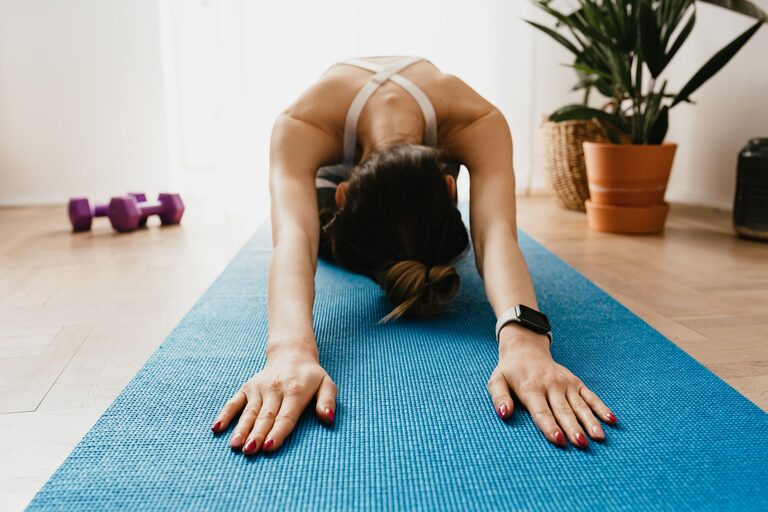
Stretching is a simple yet powerful way to improve your physical health, increase flexibility, and reduce muscle tension. You don’t need a gym membership or special equipment to start — just a bit of space at home and a few minutes each day. This beginner’s guide will walk you through the basics of stretching at home, including why it’s important, how to get started, and some easy stretches to try.
Why Stretching Matters
Stretching offers many benefits, even if you’re not an athlete or fitness enthusiast. Some of the key advantages include:
– Improved flexibility: Regular stretching helps lengthen your muscles and increase your range of motion.
– Reduced muscle tension: Stretching can relieve soreness and stiffness after sitting or exercising.
– Better posture: By loosening tight muscles, stretching supports better alignment of your spine.
– Stress relief: Gentle stretching encourages relaxation and improves circulation.
– Injury prevention: Flexible muscles are less prone to strains and other injuries during daily activities.
When and How Often Should You Stretch?
Stretching can be done almost anytime—morning, midday, or evening. Many people find it helpful to include stretching in their daily routine to maintain muscle health. Aiming for 5 to 10 minutes of stretching at least 3 to 4 times a week is a good starting point.
If you exercise regularly, stretching right after your workout when your muscles are warm can be especially beneficial. However, avoid intense stretching on cold muscles to reduce the risk of injury.
Stretching Tips for Beginners
Before you begin, keep these tips in mind to make your stretching routine safe and effective:
– Warm up first: Do a few minutes of light activity like walking or marching in place before stretching.
– Move slowly and gently: Avoid bouncing or jerking movements.
– Hold each stretch for 15 to 30 seconds: This gives your muscles time to relax and lengthen.
– Breathe deeply and evenly: Inhale and exhale slowly to support relaxation.
– Listen to your body: Stretch to the point of mild tension, not pain.
– Be consistent: Regular stretching produces the best results over time.
Essential Stretches You Can Do at Home
Here are some beginner-friendly stretches that target major muscle groups. You can perform these on a yoga mat, carpet, or any comfortable surface.
1. Neck Stretch
– Sit or stand tall.
– Slowly tilt your head to the right, bringing your ear toward your shoulder.
– Hold for 20 seconds and switch to the left side.
– Repeat 2 times on each side.
2. Shoulder Stretch
– Bring your right arm across your chest.
– Use your left hand to gently press your arm toward your chest.
– Hold for 20 seconds, then switch arms.
– Repeat twice per side.
3. Chest Opener
– Clasp your hands behind your back.
– Straighten your arms and lift your chest slightly while pulling your shoulders back.
– Hold the stretch for 20 to 30 seconds.
– Repeat 2 times.
4. Seated Forward Fold
– Sit on the floor with your legs extended straight in front.
– Inhale to lengthen your spine.
– Exhale and slowly fold forward at the hips, reaching toward your toes.
– Hold the stretch for 30 seconds, breathing steadily.
– Repeat twice.
5. Cat-Cow Stretch (Spine Mobility)
– Position yourself on hands and knees.
– Inhale, arch your back by dropping your belly and lifting your head (Cow).
– Exhale, round your back toward the ceiling and tuck your chin (Cat).
– Repeat this sequence 5 to 8 times.
6. Hip Flexor Stretch
– Kneel on your right knee, left foot in front creating a 90-degree angle.
– Shift your weight forward slightly to stretch the front of the right hip.
– Hold for 20 to 30 seconds, then switch sides.
– Repeat twice per side.
7. Hamstring Stretch
– Lie on your back.
– Raise one leg toward the ceiling, keeping the other leg bent or extended on the floor.
– Hold the back of your thigh or calf and gently pull your leg toward you.
– Hold for 20 to 30 seconds, then switch legs.
– Repeat twice per side.
Creating Your Own Routine
As you become more comfortable with stretching, you can build your own routine by combining these stretches based on your needs. For example:
– Morning routine: Neck, shoulder, chest opener, seated forward fold.
– Post-workout routine: Cat-cow stretch, hip flexor, hamstring stretches.
– Evening wind-down: Gentle full-body stretches to relax.
Try setting a reminder on your phone or scheduling stretching time as part of your daily habits to keep consistent.
Additional Tips to Stay Motivated
– Play calming music or guided stretching videos to make the experience enjoyable.
– Stretch with a family member or friend to stay motivated.
– Track your progress by noting improved flexibility or reduced tension.
– Remember that even short sessions are better than none.
When to Consult a Professional
If you have specific health conditions, injuries, or chronic pain, it’s a good idea to consult a healthcare provider or physical therapist before beginning a new stretching routine. They can offer tailored advice and ensure your approach is safe.
—
Stretching at home is an accessible way to improve your physical well-being and create moments of calm throughout your day. With patience and regular practice, you’ll notice increased flexibility, better posture, and a greater sense of relaxation. Start slowly, listen to your body, and enjoy the benefits that stretching offers!